


General Dentistry, Wisdom Teeth
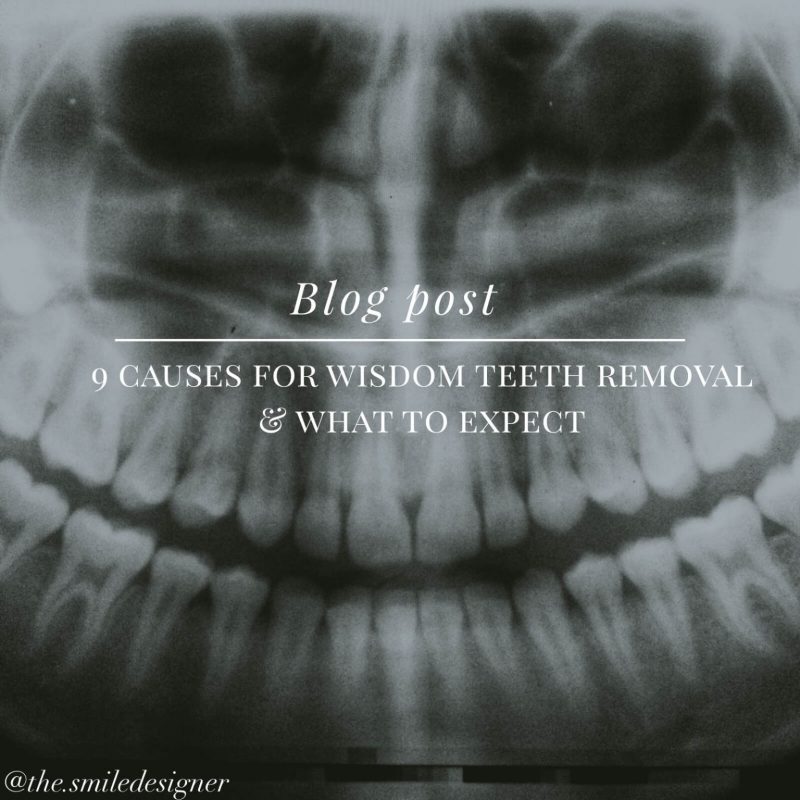
9 Causes For Wisdom Teeth Removal And What To Expect
24
Feb
Feb
Wisdom teeth are the last set of molars to develop, typically emerging between the ages of 17 and 25, although this can vary. Not everyone will experience problems with their wisdom teeth, and in some cases, they may not require removal.
At our dental clinic in Preston, we see patients from across Melbourne’s inner north seeking advice about wisdom tooth concerns. A dental assessment is required to determine whether any treatment is appropriate for your individual situation.
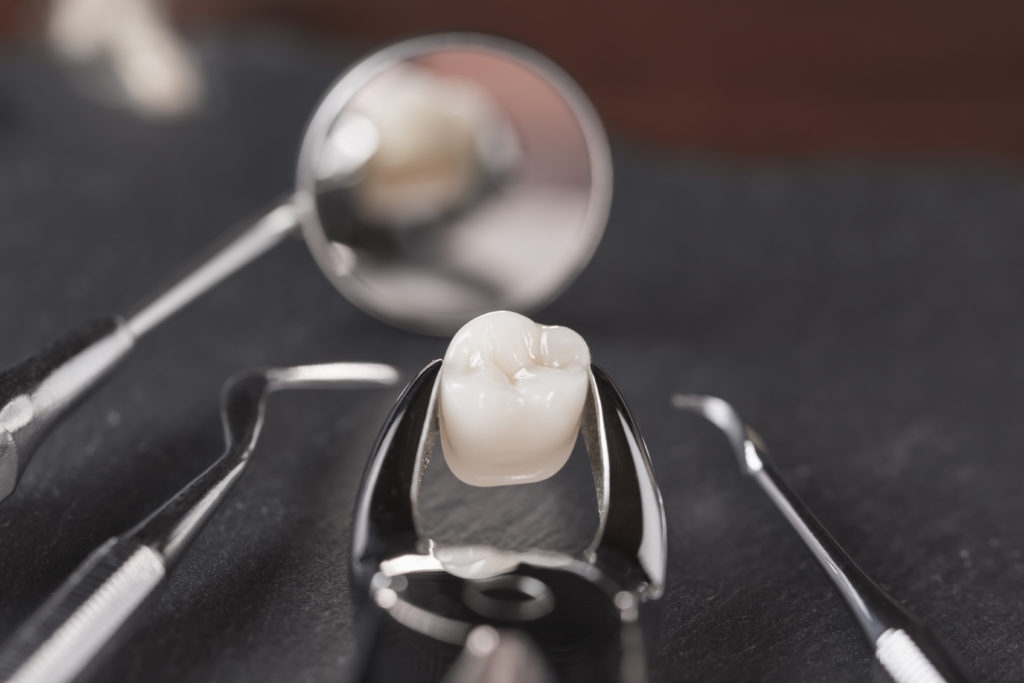
Wisdom teeth typically are the last to appear between the ages of 17 and 25, although can sometimes also appear many years later. As adults, we can have up to 32 teeth, although most people do not have space or jaws large enough to fit all 32 teeth. Therefore, wisdom teeth are not always functional and can cause crowding in the mouth causing problems for you in the future and can also impact other surrounding healthy teeth. As we age the bones in our mouth become harder and removing wisdom teeth can become complicated to remove, to prevent such problems dentist may decide and recommend removing the wisdom teeth in those who are asymptomatic. The following are some of the common causes and symptoms of wisdom teeth removal.
01
Impacted Wisdom Teeth
Impacted wisdom teeth occur when there is not enough space for the tooth to fully emerge. This may be associated with:
- Jaw discomfort
- Swelling or tenderness of the gums
- Difficulty cleaning the area
- Infection or inflammation
Not all impacted teeth cause symptoms, but they may still require monitoring.
02
Growing incorrectly
Wisdom teeth may grow at an angle or only partially erupt. In some cases, this can affect neighbouring teeth or make cleaning more difficult. A dentist can assess whether any intervention is required.
03
Pain and Irritation
As wisdom teeth develop, some people may experience discomfort. This may be temporary, but if symptoms persist, an examination can help identify the cause and appropriate management.
04
Stiffness of jaw and Difficulty Eating
In certain situations, wisdom teeth may be associated with discomfort when chewing or opening the mouth. These symptoms should be assessed to determine the underlying cause.
05
Cyst formation
In some cases, a fluid-filled sac (cyst) may develop around an unerupted tooth. Although uncommon, this can affect surrounding structures and may require further management.
06
Teeth are Not Straight – Orthodontic/Clear aligner treatment
For patients undergoing orthodontic treatment, wisdom teeth may be assessed as part of overall treatment planning. In some cases, removal may be considered, depending on space and alignment.
07
Sinus Issues
Upper wisdom teeth are located near the sinus area. In some individuals, this may contribute to sensations of pressure or discomfort, although other causes should also be considered.
08
Cavities
Wisdom teeth can be difficult to clean due to their position, which may increase the risk of decay or gum issues. Your dentist can assess whether these areas can be maintained effectively.
09
Inflamed Gums
Partially erupted wisdom teeth can create areas where bacteria and food particles accumulate, sometimes leading to gum inflammation or infection.
FAQ’S About 9 Causes For Wisdom Teeth Removal
What Is Involved in the Extraction Procedure?
What to expect during assessment and treatment
Not all wisdom teeth require removal. At our Preston dental clinic, your dentist will assess your individual situation, which may include:
- Clinical examination
- Dental imaging (such as X-rays)
- Discussion of symptoms and concerns
If removal is recommended, this will depend on factors such as the position of the tooth, proximity to nerves or sinuses, and your overall oral health.
Wisdom tooth removal may be performed by a general dentist or, in more complex cases, you may be referred to an oral and maxillofacial surgeon. The procedure may involve local anaesthesia, and other options may be discussed where appropriate.
Important considerations
As with any dental procedure, there are potential risks and benefits that will be explained before proceeding. Treatment decisions are made on an individual basis to support informed consent.
Maintaining regular dental check-ups can assist in monitoring wisdom teeth over time and identifying any changes early.
If you are experiencing symptoms or have concerns about your wisdom teeth, you can book a consultation at our dental clinic The Smile Designer in Preston to determine what options may be appropriate for your individual needs.