



Orthodontic Treatment, Dental Braces, Invisalign
Invisalign Vs Braces, What You Need To Know
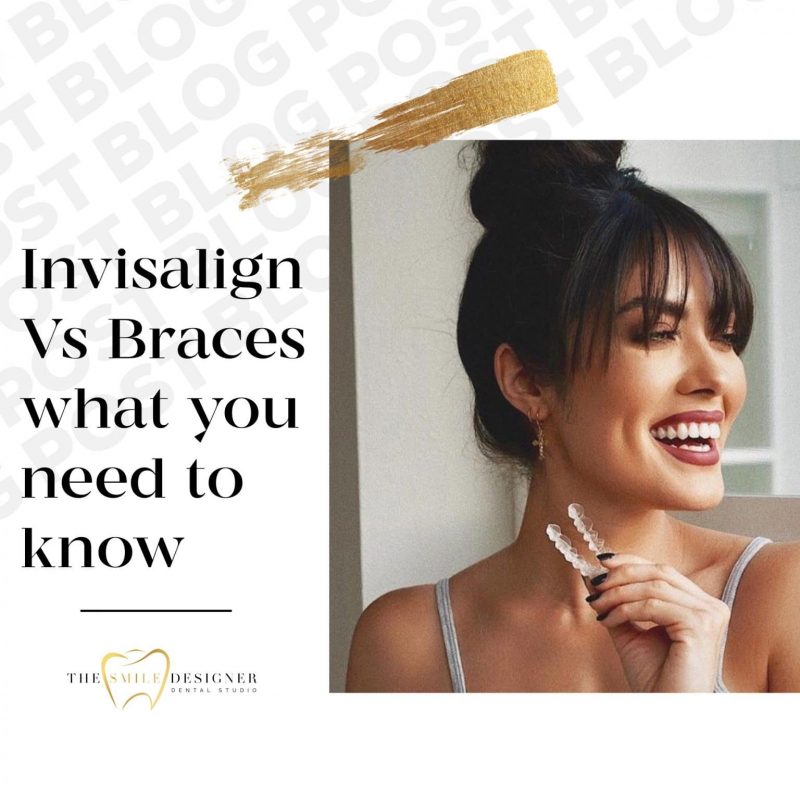
Invisalign and traditional braces are both effective ways to straighten teeth, but they work differently and suit different situations. This guide compares the two options across suitability, comfort, visibility, cost, treatment time, and lifestyle considerations, to help patients across Melbourne’s Inner North understand which may be recommended for their case.
How Invisalign Works
Invisalign uses a series of clear, custom-made aligners that gradually move teeth into position. Aligners are removable, which allows for normal eating and cleaning during treatment, and are generally less visible than traditional braces. A new digital treatment plan is created at the start using 3D scanning. Aligners are typically changed every one to two weeks, with review appointments roughly every six weeks.
How Traditional Braces Work
Traditional braces use fixed brackets and wires bonded to the teeth to apply continuous pressure and move teeth over time. Braces are fixed in place for the duration of treatment and are typically adjusted every four to six weeks. Because braces are fixed rather than removable, there’s no reliance on patient compliance in the same way as aligners.
Suitability: Which Option Fits Which Case?
Mild to moderate crowding or spacing. Both Invisalign and traditional braces can typically address these concerns effectively. The choice often comes down to patient preference around visibility, comfort, and lifestyle.
More complex bite issues. Cases involving significant overbites, underbites, or more complex tooth rotations may be more reliably addressed with traditional braces.
Compliance considerations. Invisalign’s effectiveness depends on consistent wear, typically 20-22 hours a day. Patients who anticipate difficulty maintaining this level of compliance may find traditional braces a more reliable option.
This can only be determined following a clinical assessment, which takes into account your specific bite, tooth positions, and lifestyle factors.
Comfort and Visibility
Invisalign aligners are generally considered more comfortable day-to-day than traditional braces, since there are no wires or brackets that can rub against the inside of the cheeks or lips. Aligners are also significantly less visible, which is a primary reason many adult patients specifically consider Invisalign.
Traditional braces, while more visible, don’t require the same daily discipline around removal for eating and drinking. Some patients may find fixed braces a more straightforward option for this reason.
Cost Comparison
Invisalign treatment typically ranges from $3,500 to $10,000 depending on case complexity, while traditional metal braces generally range from $3,000 to $6,000. See our full braces cost guide for a detailed breakdown across all options, including ceramic and lingual braces.
Treatment Time Comparison
Treatment time for both options depends heavily on case complexity rather than which appliance is chosen. Straightforward cases with either option might be completed in around six months, while more complex cases can take 18 months or longer with either Invisalign or traditional braces.
Lifestyle Factors to Consider
- Eating and drinking – Invisalign requires removal before eating or drinking anything other than water, while traditional braces have some food restrictions but don’t require removal.
- Oral hygiene routine – Invisalign allows for normal brushing and flossing since aligners are removed, while braces require additional care to clean around brackets and wires.
- Sport and physical activity – Both options can generally be managed with appropriate precautions, such as a mouthguard.
- Visibility at work or in social settings – often the most commonly cited factor for adult patients choosing Invisalign.
Which Option May Be Recommended?
Whether Invisalign or braces is more suitable depends on factors including the complexity of the case, the type of movement required, and patient preference. This can only be determined following a clinical assessment. Both options are available for patients across Melbourne’s Inner North at The Smile Designer Dental Studio in Preston.
Frequently Asked Questions
Is Invisalign as effective as braces?
For many cases, Invisalign can achieve similar results to traditional braces. However, some complex cases may be more suited to braces, determined during a clinical assessment.
How do I know which option is right for me?
A consultation and clinical assessment is required to determine whether Invisalign or braces is more suitable for your individual case.
Can adults use either option?
Yes, both Invisalign and traditional braces are suitable for adult patients, subject to individual assessment. For younger patients, see our children’s orthodontics information.
Does Invisalign take longer than braces?
Not necessarily – treatment time is more strongly influenced by case complexity than the choice of appliance.
What happens if I don’t wear my Invisalign aligners enough?
Inconsistent wear can affect how closely your teeth track the original digital plan, which may mean a longer overall treatment time or the need for a refinement stage at the end of treatment.
Book a Consultation
For more on Invisalign specifically, see our Invisalign FAQs. The recommended starting point for new patients is a New Patient Exam and Clean, which allows your dentist to assess your overall oral health before discussing orthodontic options.
There are risks, benefits and limitations associated with all orthodontic treatments, and individual results and timeframes vary between patients. For more information, see our Treatment Risks page.